
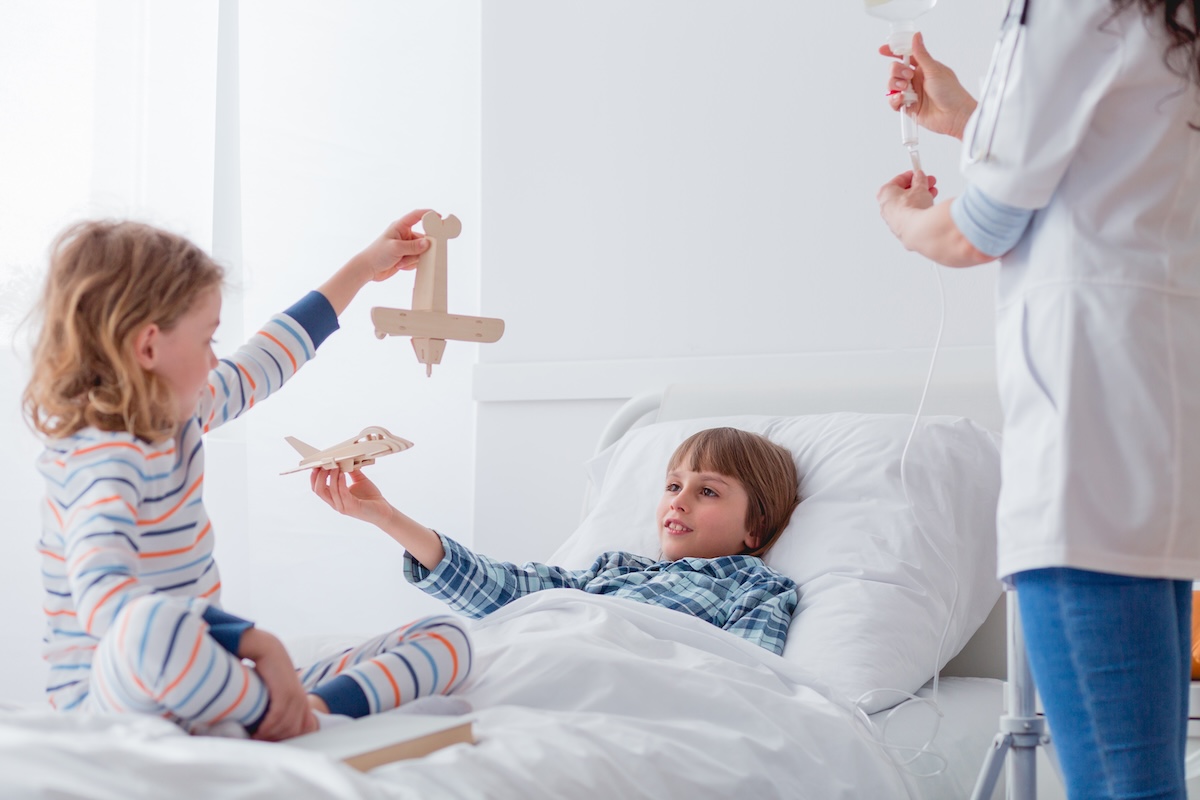
For a child receiving pediatric hospice care, quality of life may be found in feeling comfortable enough to rest, laugh, listen to music, cuddle with a parent, spend time with siblings, or enjoy a favorite activity. It may mean having familiar people nearby, maintaining important routines, or being included in choices whenever possible.
Most of all, it means continuing to see the child as a child.
At CareOusel Pediatrics, our pediatric hospice program at ProCare Hospice of Nevada, we believe a child’s life is not defined only by a diagnosis or physical limitations. Children still need love, connection, play, comfort, security, and the chance to express who they are.
Pediatric hospice cannot remove every difficulty a family faces. It can, however, help manage pain and symptoms, coordinate support, and create more space for families to focus on their child and their time together.
Table of Contents
- Understanding Quality of Life in Pediatric Hospice
- Physical Comfort Is an Important Starting Point
- Quality of Life Includes the Whole Child
- Letting Children Continue to Be Children
- How Care Can Reflect Each Child’s Needs
- Quality of Life for the Whole Family
- Supporting Quality of Life Through CareOusel Pediatrics
- Frequently Asked Questions
Understanding Quality of Life in Pediatric Hospice
Quality of life is deeply personal. There is no single checklist that defines it for every child.
A meaningful day for one child may include watching a favorite movie with family. For another, it may mean having enough energy to play a short game, listen to a sibling read, sit outside, or enjoy a favorite food.
Some children may want activity and conversation. Others may find the greatest comfort in a quiet room, familiar voices, gentle touch, or simply having a parent close by.
A child’s age, development, diagnosis, communication style, interests, culture, beliefs, and family relationships can all shape what quality of life means.
That is why pediatric hospice care should not begin with a fixed idea of what a good day is supposed to look like. It begins by getting to know the child.
The care team may consider:
- What helps the child feel safe
- What brings comfort or joy
- Which symptoms are causing distress
- How the child communicates pain or discomfort
- Which routines feel familiar
- Who the child wants nearby
- Which activities still matter to them
- What the parents believe supports their child
- How the family wants to spend time together
The American Academy of Pediatrics describes pediatric palliative and hospice care as care that seeks to relieve suffering, improve quality of life, support informed decision-making, and coordinate care across providers and settings. Its guidance also recognizes that physical pain is only one part of a child’s overall experience. Emotional, social, and spiritual needs matter too.
Quality of life does not mean pretending that a serious illness is not present. It means caring for the child who is still present within that illness.
Physical Comfort Is an Important Starting Point
A child who is in pain, nauseated, short of breath, agitated, or unable to rest may have little energy left for the people and activities that matter to them.
That is why pain and symptom management are such important parts of pediatric hospice care.
The goal is not simply to record symptoms. It is to understand how those symptoms are affecting the child and respond in ways that support comfort.
Depending on the child’s condition and care plan, the pediatric hospice team may help manage symptoms such as:
- Pain
- Nausea or vomiting
- Fever
- Trouble breathing
- Agitation
- Anxiety
- Fatigue
- Difficulty sleeping
- Changes in eating or drinking
- Other symptoms related to the child’s condition
Children do not all communicate discomfort in the same way.
An older child or young adult may be able to explain exactly what hurts and how intense the pain feels. A younger child may point, cry, pull away, become unusually quiet, or lose interest in play. A child who does not communicate through speech may show changes in facial expression, movement, sleep, breathing, or behavior.
Parents and caregivers often know the child’s normal patterns better than anyone. Their observations can help the care team recognize subtle changes and understand what the child may be experiencing.
Comfort Can Include More Than Medication
Medication may be part of pain and symptom management, but comfort can also come from the child’s environment and the way care is provided.
Depending on the child’s needs and preferences, comfort measures may include:
- Repositioning the child
- Adjusting lighting or noise
- Using a favorite blanket or stuffed animal
- Playing familiar music
- Offering gentle massage
- Using calming voices
- Maintaining familiar routines
- Allowing time for rest
- Keeping trusted people nearby
CareOusel Pediatrics may also provide complementary therapies that work alongside clinical care. These may include music therapy, massage therapy, and other forms of support intended to reduce stress and make day-to-day life feel more comfortable.
Every therapy should serve the child, not become another demand placed on them.
A child may enjoy music one day and need quiet the next. They may welcome touch at one moment and feel overstimulated later. Quality of life includes paying attention to those changes and allowing the care plan to remain flexible.
Quality of Life Includes the Whole Child
A terminal diagnosis affects the body, but the child is more than what is happening physically.
Children have personalities, opinions, fears, humor, relationships, interests, and ways of understanding the world. Pediatric hospice care should make room for all of those parts.
Quality of life may include the child’s:
- Physical comfort
- Emotional security
- Social connection
- Developmental needs
- Spiritual needs
- Sense of choice
- Ability to communicate
- Personal interests
- Family relationships
- Cultural identity
Emotional Security
Children may experience fear, confusion, frustration, sadness, anger, or loneliness during serious illness.
They may worry about medical procedures, changes in their body, separation from family, or what will happen next. Some children ask direct questions. Others express their emotions through play, behavior, silence, artwork, or changes in routine.
Emotional support gives children a safe way to express what they are feeling without expecting them to respond like adults.
At ProCare Hospice of Nevada, a Child Life Specialist may support a child through play, creative activities, education, and age-appropriate conversations. Social workers and spiritual counselors may also support the child and family based on their needs and preferences.
The goal is not to force a child to talk. It is to give them ways to feel understood.
Connection With Other People
Quality of life is also shaped by relationships.
A child may find comfort in:
- Being held by a parent
- Talking with a close friend
- Playing with a sibling
- Seeing a grandparent
- Spending time with a pet
- Hearing a familiar voice
- Joining a family tradition
- Receiving a message from a teacher or classmate
Serious illness can sometimes interrupt these connections. Hospital stays, physical limitations, infection concerns, or fatigue may make normal visits and activities harder.
The care plan may help families find safe and comfortable ways to maintain meaningful relationships, whether through in-person time, video calls, recorded messages, drawings, photographs, or quiet time together.
Connection does not always require a large activity. Sitting beside a child and watching their favorite show can be meaningful because it feels normal, familiar, and shared.
Choice and Control
Children with serious illnesses may have many choices made for them. Appointments, medications, procedures, and changes in routine can leave them feeling as though they have little control.
Whenever appropriate, offering small choices can help restore some independence.
A child may be able to choose:
- Which pajamas to wear
- What music to play
- Whether the room should be bright or dim
- Who they want nearby
- Which activity they want to try
- When they want quiet time
- Which blanket or toy they want
- How they would like to participate in a family activity
Not every choice will be medically possible, and the type of choice should match the child’s age and abilities. Still, even small decisions can help the child feel heard.
For older children and young adults, quality of life may also include being part of conversations about their care to the extent they want and are able to participate.
Letting Children Continue to Be Children
A child receiving hospice care is still growing, learning, imagining, connecting, and expressing themselves.
They may still want to joke, play games, celebrate a birthday, listen to music, watch videos, create art, talk with friends, or tease their siblings. These moments do not ignore the seriousness of the illness. They honor the child who is living through it.
At CareOusel Pediatrics, one of our guiding beliefs is that parents should be able to be parents, children should be able to be children, and families should be able to be families.
That may look different from one day to the next.
On a high-energy day, a child may want to participate in a favorite activity. On a difficult day, being a child may simply mean resting with a parent, holding a favorite toy, or listening to a familiar story.
Quality of life is not measured by how much a child can accomplish.
It may be measured by whether the day reflects what the child enjoys, whether discomfort is being addressed, and whether the child feels safe and loved.
Adapting Activities to the Child
Children may not be able to participate in activities in the same way they once did. That does not mean every part of the experience has to disappear.
A favorite activity may be adjusted by:
- Bringing art supplies to the child
- Watching the outdoors from a window
- Setting up a movie night in the child’s room
- Reading a favorite book aloud
- Letting the child listen while others play a game
- Using video calls to connect with friends
- Shortening an activity to match the child’s energy
- Turning a family tradition into a smaller, quieter moment
The goal is not to fill every hour. Children also need rest and may not always want an activity.
Quality of life includes following the child’s lead whenever possible.
Making Room for Joy Without Pressuring the Family
Families may feel pressure to make every moment special once a child begins pediatric hospice care.
That pressure can become exhausting.
Meaningful time does not need to involve a large event, perfectly planned experience, or constant positivity. Families are allowed to have ordinary days. They are allowed to feel tired, sad, angry, quiet, or uncertain.
A peaceful nap, a shared snack, a silly joke, or a few minutes of comfortable conversation can matter just as much as a planned celebration.
There is no correct way to create meaning.
How Care Can Reflect Each Child’s Needs
Pediatric hospice care is not adult hospice care made smaller.
Children have different developmental, medical, emotional, and communication needs. Their care may involve specialists, equipment, medications, therapies, and routines that are specific to their diagnosis and age.
CareOusel Pediatrics uses an interdisciplinary team to create an individual care plan for each child and family.
Depending on the child’s needs, the team may include:
- Pediatric physicians
- Nurse practitioners
- Pediatric hospice nurses
- Social workers
- Spiritual counselors
- Child Life Specialists
- Respiratory therapists
- Dietitians
- Massage therapists
- Music therapists
- Other pediatric specialists
The team works together to coordinate care rather than asking parents to manage each discipline separately.
Pediatric physicians and nurse practitioners oversee the child’s team and may provide pain and symptom-management consultation or house calls as needed. Nurses assess changes, manage symptoms, and teach families how to provide care at home.
Social workers support the child, parents, siblings, and other caregivers through emotional and practical concerns. Spiritual counselors provide emotional or spiritual care based on the family’s beliefs and wishes.
This team-based approach reflects ProCare Hospice of Nevada’s broader commitment to individualized care plans that consider physical, emotional, and spiritual needs rather than focusing only on a diagnosis.
Care May Be Provided Where the Child Is
Many families prefer to remain together at home when the child’s symptoms can be managed there.
Home can offer familiar sounds, routines, belongings, pets, siblings, and a greater sense of privacy. It may also allow family members to spend time together without the same interruptions that can come with a hospital stay.
Pediatric hospice care may be provided at home or in a hospital depending on the child’s needs and circumstances.
Location alone does not define quality of life. The right setting is the one that can safely support the child’s needs while reflecting the family’s preferences whenever possible.
Quality of Life for the Whole Family
Pediatric hospice care centers on the child, but the child’s well-being is closely connected to the family around them.
Parents may be balancing medications, appointments, work, household responsibilities, insurance concerns, and the needs of other children. At the same time, they are trying to process their own fear, grief, exhaustion, and uncertainty.
Quality of life for the child may improve when parents have more support and do not have to carry every part of care alone.
The pediatric hospice team may help by:
- Managing and monitoring symptoms
- Teaching parents how to provide care
- Coordinating with physicians and specialists
- Helping families understand changes
- Providing emotional support
- Offering spiritual support
- Helping families navigate care planning
- Supporting siblings
- Providing hands-on care based on the care plan
- Helping parents navigate coverage and insurance questions
The goal is not to take over the role of the parent. It is to support parents so they can spend more time being present with their child.
Supporting Siblings
Brothers and sisters are also part of the pediatric hospice journey.
They may feel sadness, fear, guilt, jealousy, anger, or confusion. Some may want to be deeply involved. Others may need breaks from what is happening.
Sibling support can help children:
- Understand the illness in age-appropriate language
- Ask questions
- Express emotions through play or creative activities
- Spend meaningful time with their sibling
- Feel included without being overwhelmed
- Create memories or legacy items
- Receive grief support before and after a loss
CareOusel Pediatrics offers sibling legacy programs and other family-centered support. The goal is not to tell siblings how they should feel. It is to give them room to feel what they feel and support them in ways that match their age and needs.
Supporting Parents Before and After a Loss
Quality of life does not erase grief.
Parents may grieve changes in their child’s health, missed milestones, and an imagined future long before the child dies. These feelings can exist alongside love, joy, hope, and meaningful family moments.
After a child dies, the family’s need for support continues.
CareOusel’s bereavement programs are designed to help family members face the ongoing realities of grief before and after a child’s death. Support may include counseling, resources, legacy programs, and guidance for parents and siblings.
Bereavement support cannot remove the loss. It can give family members a place where their grief is acknowledged and where they do not have to carry it by themselves.
Supporting Quality of Life Through CareOusel Pediatrics
Quality of life in pediatric hospice is not about creating a perfect day or expecting a family to find happiness in an unbearable situation.
To learn more about CareOusel Pediatric Hospice Care in Las Vegas and Clark County, contact ProCare Hospice of Nevada at (702) 380-8300. Our team can answer questions about eligibility, services, coverage, and what pediatric hospice support may look like for your family.
Frequently Asked Questions
1. Does quality of life mean a child must be active or free from symptoms?
No. Quality of life does not require a child to be active or completely free from discomfort.
For one child, quality of life may mean having enough symptom relief to play or talk. For another, it may mean resting peacefully, hearing a parent’s voice, or being surrounded by familiar people and belongings.
The meaning depends on the child’s needs, abilities, and preferences.
2. How does the hospice team know what brings a child comfort?
The team learns from the child, parents, caregivers, medical providers, and the child’s behavior.
Parents often recognize small changes in facial expression, movement, sleep, or mood that may show whether a child is comfortable. The hospice team combines those observations with clinical assessments to shape the care plan.
3. Can a child continue treatments while receiving CareOusel pediatric hospice care?
CareOusel’s program is designed to allow pediatric patients to continue therapies that parents feel add quality to the child’s life.
Children under age 21 who receive Medicaid or eligible CHIP coverage may also qualify for concurrent care, which allows hospice services and treatment intended to cure the terminal illness to be provided at the same time. Coverage depends on the child’s eligibility, insurance plan, and individual care situation.
4. Does pediatric hospice support parents and siblings too?
Yes. Pediatric hospice is family-centered.
Support may include education for parents, social work, emotional and spiritual care, sibling support, Child Life services, legacy activities, and bereavement care. The services provided depend on the family’s needs and care plan.
5. Where can CareOusel pediatric hospice care be provided?
Care may be provided wherever the child is, based on their symptoms, medical needs, and circumstances.
Many families prefer care at home when symptoms can be safely managed there. Care may also take place in a hospital when the child requires support that cannot be provided at home.
 Back To Top