Palliative Care & Intimacy

While it may not seem like a primary concern, sexual intimacy is just as important to your overall health as a well functioning heart. It is vital that you maintain the close bond you have with your loved ones because that is such a major part of who you are. Intimacy should not take a back seat to your palliative care. So, take a moment to understand more fully about the barriers to intimacy and the ways  you can go about overcoming them with the help of the Las Vegas hospice care team you trust.
 
Before you can really understand the barriers to intimacy, the term needs to be defined. Intimacy can be considered as any kind of physical touch including general tenderness, caressing, massages and hand holding. Intimacy is not just limited to intercourse.
 

Barriers

 
There are many barriers that can get in the way of a palliative patient experiencing intimacy. Many of the most common barriers are related to feelings of fatigue and other physical symptoms such as nausea, constipation and pain. Even variations in mood like anxiety, depression, grief or guilt can wedge a barrier between a palliative patient and his or her significant other.
 

Overcome the Barriers

 
The number one method to overcome the barriers of intimacy is to communicate with your partner. Issues cannot be faced if they are not brought to light.
 
The next thing to do is to find time to be alone with your partner. That can be understandably difficult if you are in the later stage of an illness and receiving regular care and visitors. Still, it is imperative that you and your partner find a way to get a little privacy every now and then. You can request that no visitors be allowed to see you after a certain time to guarantee that you and your partner will have at least an hour or two alone at the end of a day.
 
In your private time, talk with your partner. Be transparent about what you are thinking and feeling about your physical needs, desires and wishes. Ask open ended questions and be warm and accepting of the answers, even if they are hard to hear. If you are a little stuck on the questions you can ask, here are a few examples you can start with:
 

  • What kind of intimacy is most important to you?
  • What kind of touch feels the best to you?
  • What are you most worried about when it comes to intimacy or sex?
  • How can one best fulfill your physical needs?

 
The next thing you can do is take your concerns to your hospice Las Vegas provider. Your doctor may be able to provide you with a different approach to your intimacy issues. The Las Vegas hospice services at ProCare Hospice of Nevada are committed to providing a well-rounded style of care that also includes intimacy concerns. For more information about Las Vegas hospice care, contact 702.380.8300.

Copyright © 2026 ProCare Hospice. All Rights Reserved. | Privacy Policy

Designed and Developed By: Royal Ink

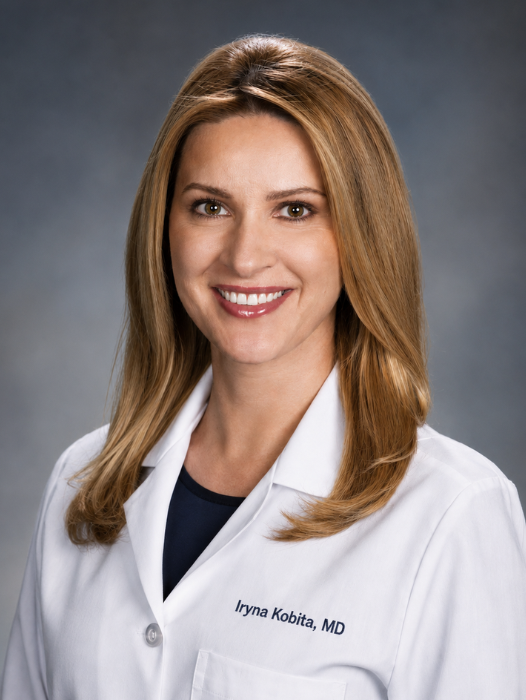
Dr. Iryna Kobita, MD

Iryna Kobita recently completed her Internal Medicine Residency at The Valley Health System in Las Vegas and is pleased to continue her medical training in Hospice and Palliative Medicine. Prior to relocating to the United States, she practiced medicine in Ukraine, bringing valuable international clinical experience to her work. Iryna looks forward to contributing to the program, building strong professional relationships, and continuing to grow as a physician. Outside of medicine, she enjoys traveling, spending time outdoors, and being with family and friends.

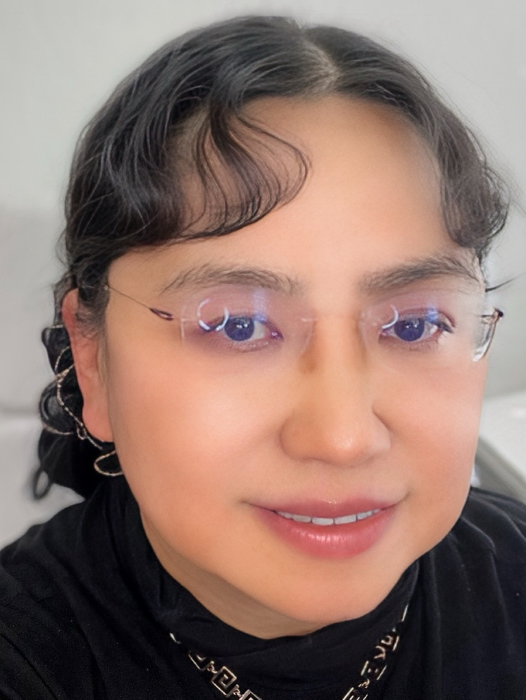
Dr. Diana Lee, MD

Dr. Diana Lee graduated from Capital Medical University in Beijing, China, in 1991. Following graduation, she completed five years of pediatric residency training at Beijing Children's Hospital, one of the largest and most prestigious pediatric hospitals in China.

After relocating to the United States, she completed her second residency training program in Internal Medicine at Greater Baltimore Medical Center in 2004. She then worked as a hospitalist with Mercy Medical Group in Sacramento, California, for 10 years, before moving to Las Vegas to join Platinum Hospitalist Group, where she currently practices.

After earning her ABIM board certification in Hospice and Palliative Medicine in 2012, Dr. Lee focused her career on this specialty. In 2017, she established the first hospital-based inpatient palliative care consultation service in Las Vegas at St. Rose Dominican Siena Hospital. Under her leadership, this initiative expanded from a single-physician service into a multidisciplinary team of four palliative care physicians and 12 nurse practitioners, providing consultations across eight hospitals in Las Vegas. She has also served as the program director for the OPTI-West Hospice and Palliative Medicine Fellowship since 2021.

Dr. Lee is dedicated to advancing patient-centered palliative care through clinical excellence, program development, education, and collaboration. As the founder of one of the region's largest inpatient palliative care programs, she continues to expand access to specialty services and improve care for patients with serious illnesses throughout Southern Nevada.

Dr. Dan Miulli, DO, MS, FACOS

Graduate of Midwestern University-CCOM and completed Neurosurgical Residency Training at Allegheny General Hospitals receiving diploma from Philadelphia College of Osteopathic Medicine. Board certified in Neurological Surgery and Neurocritical Care. Practices Neurosurgery in Southern California. Is the Designated Institutional Official, Chief Academic Officer, and CEO of OPTI-West Educational Consortium and Sponsoring Institution.