

Nutrition At the End of Life

Home care service for the elderly

March is National Nutrition Month. Most people never think about what nutrition and eating will look like for someone at the end of life. Often, when a patient has an end-stage or terminal illness, poor or no appetite is a common and normal side effect. Impaired appetite can be caused by a number of things such as difficulty swallowing, nausea, vomiting, altered sense of taste or smell, medications, tumor growth, depression or pain. Sometimes there is no known cause.

It is important that patients and their families, or caregivers, do not feel guilty about this process.

Here are some important tips for supporting a patient’s changing appetite during this time:

  • Allow them to eat as much, or as little, as he or she wants to eat. Gentle encouragement to eat is good, but do not force them to eat. This could cause unnecessary suffering and additional complications.
  • Don’t prepare large meals, for this may be overwhelming to the patient and cause a sense of failure when large portions are left in front of them. Start with small, frequent meals and allow them to ask for additional helpings, if necessary.
  • Give foods that are high in calories and easy
    to eat, such as pudding, custard, jello, ice cream, yogurt, milkshakes, and eggnog. Include high protein supplements like Ensure®.

• Avoid greasy foods and rich sauces. Also, avoid foods with a lot of spice or seasoning.

• Avoid serving favorite foods when the patient is nauseated. This may change the positive psychological association with that food and limit future options. Also, with nauseated patients, serve food cold or

at room temperature to decrease the intensity of smells.

• Offer sips of clear, cool beverages, such as ginger ale. (Don’t forget the straw!)

• When diarrhea is experienced, serve bland foods, such as toast, rice, bananas, etc. Avoid seeds, nuts, raw fruits, and vegetables. To alleviate cramps, avoid gas-forming foods, such as dried peas, beans, and carbonated beverages.

• Provide good oral care

To determine if you or a loved one may be eligible for hospice, talk with your physician, or the family at ProCare Hospice at 703-380-8300. The National Hospice and Palliative Care Organization has more information here.

Leave a Reply

You must be logged in to post a comment.

Copyright © 2026 ProCare Hospice. All Rights Reserved. | Privacy Policy

Designed and Developed By: Royal Ink

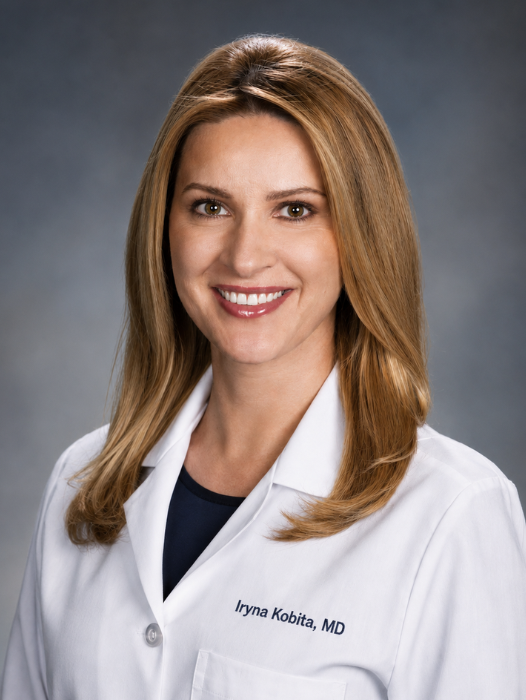
Dr. Iryna Kobita, MD

Iryna Kobita recently completed her Internal Medicine Residency at The Valley Health System in Las Vegas and is pleased to continue her medical training in Hospice and Palliative Medicine. Prior to relocating to the United States, she practiced medicine in Ukraine, bringing valuable international clinical experience to her work. Iryna looks forward to contributing to the program, building strong professional relationships, and continuing to grow as a physician. Outside of medicine, she enjoys traveling, spending time outdoors, and being with family and friends.

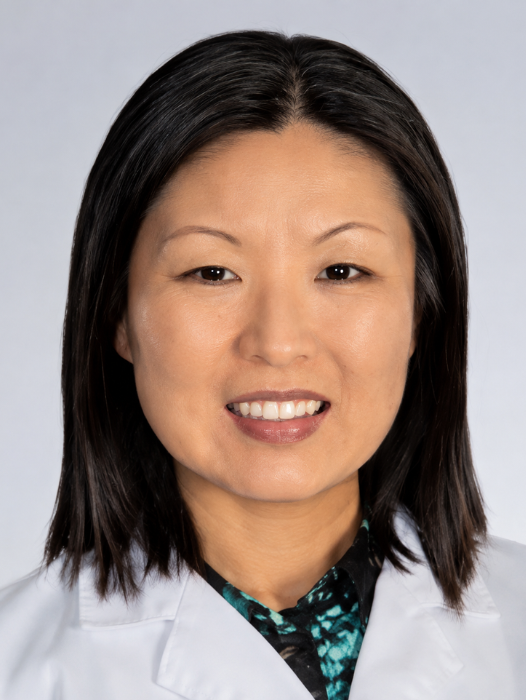
Dr. Diana Lee, MD

Dr. Diana Lee graduated from Capital Medical University in Beijing, China, in 1991. Following graduation, she completed five years of pediatric residency training at Beijing Children's Hospital, one of the largest and most prestigious pediatric hospitals in China.

After relocating to the United States, she completed her second residency training program in Internal Medicine at Greater Baltimore Medical Center in 2004. She then worked as a hospitalist with Mercy Medical Group in Sacramento, California, for 10 years, before moving to Las Vegas to join Platinum Hospitalist Group, where she currently practices.

After earning her ABIM board certification in Hospice and Palliative Medicine in 2012, Dr. Lee focused her career on this specialty. In 2017, she established the first hospital-based inpatient palliative care consultation service in Las Vegas at St. Rose Dominican Siena Hospital. Under her leadership, this initiative expanded from a single-physician service into a multidisciplinary team of four palliative care physicians and 12 nurse practitioners, providing consultations across eight hospitals in Las Vegas. She has also served as the program director for the OPTI-West Hospice and Palliative Medicine Fellowship since 2021.

Dr. Lee is dedicated to advancing patient-centered palliative care through clinical excellence, program development, education, and collaboration. As the founder of one of the region's largest inpatient palliative care programs, she continues to expand access to specialty services and improve care for patients with serious illnesses throughout Southern Nevada.

Dr. Dan Miulli, DO, MS, FACOS

Graduate of Midwestern University-CCOM and completed Neurosurgical Residency Training at Allegheny General Hospitals receiving diploma from Philadelphia College of Osteopathic Medicine. Board certified in Neurological Surgery and Neurocritical Care. Practices Neurosurgery in Southern California. Is the Designated Institutional Official, Chief Academic Officer, and CEO of OPTI-West Educational Consortium and Sponsoring Institution.