Palliative Care and Managing Anxiety

When you’ve been told that you only have six months (or maybe less) to live, it’s okay to be anxious. Whether yours is a mild case of anxiety or you feel regular panic attacks, it isn’t an abnormal feeling.
Just because it is normal, however, doesn’t mean it should be ignored. Any form of anxiety should be recognized and treated as soon as possible to avoid more adverse complications.

How to Recognize Anxiety

The most important thing is to know what anxiety looks like before you can decide how to treat it. Anxiety is caused by the release of adrenaline in the body and has three basic ways of showing itself to you.

Mild Anxiety

This is a common kind of anxiety. Many people may even brush off the symptoms as daily stress. In the mind, mild anxiety can make you feel very alert and can even narrow your focus. Emotionally, you may feel irritated by little things. It’s very likely to have a short temper as well. Physically, you probably have a hard time sleeping or resting.

Moderate Anxiety

This kind of anxiety puts much more stress on the body. Mentally, if you have moderate anxiety, you will have a hard time concentrating and focusing on things that matter. Emotionally, you are more likely to be visibly upset and irritated. Sudden fits of crying is also not uncommon while feeling worried. Physically, the symptoms are moderately severe. You can be experiencing a higher heart rate, palpitations, fast breathing, nausea or diarrhea.

Severe Anxiety

If you have severe anxiety regarding the end of your life or palliative care, your overall health is really at risk. It’s important that you recognize the following symptoms as soon as possible and visit a hospice doctor Las Vegas trusts to handle these sort of things.
Mentally, you can expect to see things like an absolute inability to focus and a state of mind that is disconnected from the rest of the world. Emotionally, you can see out of control crying, severe agitation, and the communication of dark and depressed thoughts. In an effort to feel better, you may notice yourself repeating behaviors that successfully soothed you in the past. Physically, if you have severe anxiety, you may notice any of the symptoms from mild or moderate anxiety. In addition, you may experience vomiting, incontinence or chest pains. You may even hyperventilate once in awhile.

Treatment Options

The first step in treatment is to try to regain calmness. Distractions tend to work really well for this. Try do something different and fun that takes your mind off your Las Vegas hospice services. If that doesn’t work, seek medical help. A hospice doctor Las Vegas trusts may prescribe a number of different medications to try to relieve the symptoms.
Just don’t forget to treat the underlying cause of anxiety. Speak with someone to help address the pain and stress you feel. If you need direction, you should call ProCare Hospice of Nevada. They are experts in making you comfortable during your last moments. For more information about the hospice doctor Las Vegas trusts, contact 702.380.8300.
 

Copyright © 2026 ProCare Hospice. All Rights Reserved. | Privacy Policy

Designed and Developed By: Royal Ink

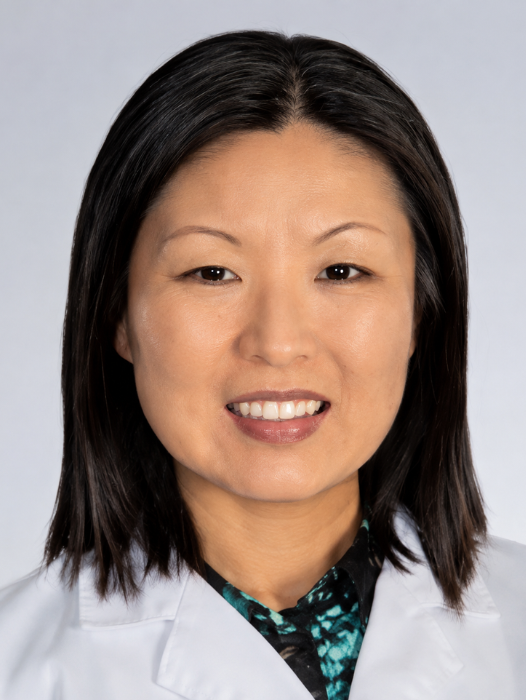
Dr. Cara Goo, D.O

Dr. Cara Goo, D.O. completed her Family Medicine residency at Guthrie Lourdes Hospital in Binghamton, NY where she first became interested in Palliative Medicine and its application in the clinic and the hospital. She is a graduate of Touro College of Osteopathic Medicine, and Pacific College of Health and Science, where she trained in Traditional Chinese Medicine, acupuncture, and herbs. In fellowship, she hopes to bridge osteopathic and integrative medicine with palliative care. 

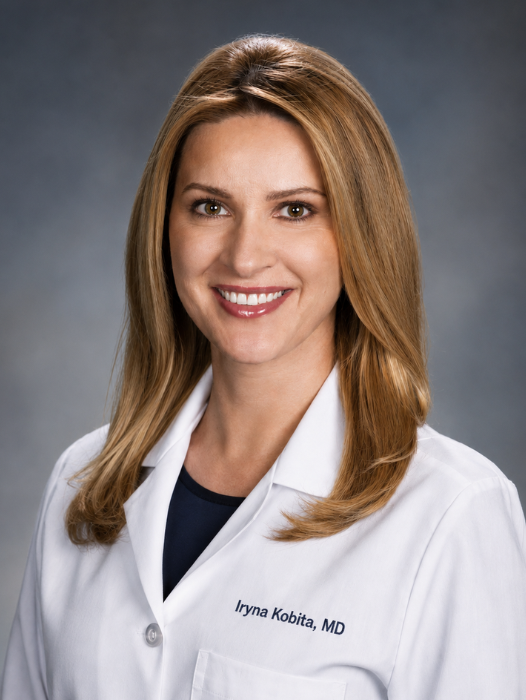
Dr. Iryna Kobita, MD

Iryna Kobita recently completed her Internal Medicine Residency at The Valley Health System in Las Vegas and is pleased to continue her medical training in Hospice and Palliative Medicine. Prior to relocating to the United States, she practiced medicine in Ukraine, bringing valuable international clinical experience to her work. Iryna looks forward to contributing to the program, building strong professional relationships, and continuing to grow as a physician. Outside of medicine, she enjoys traveling, spending time outdoors, and being with family and friends.

Dr. Diana Lee, MD

Dr. Diana Lee graduated from Capital Medical University in Beijing, China, in 1991. Following graduation, she completed five years of pediatric residency training at Beijing Children's Hospital, one of the largest and most prestigious pediatric hospitals in China.

After relocating to the United States, she completed her second residency training program in Internal Medicine at Greater Baltimore Medical Center in 2004. She then worked as a hospitalist with Mercy Medical Group in Sacramento, California, for 10 years, before moving to Las Vegas to join Platinum Hospitalist Group, where she currently practices.

After earning her ABIM board certification in Hospice and Palliative Medicine in 2012, Dr. Lee focused her career on this specialty. In 2017, she established the first hospital-based inpatient palliative care consultation service in Las Vegas at St. Rose Dominican Siena Hospital. Under her leadership, this initiative expanded from a single-physician service into a multidisciplinary team of four palliative care physicians and 12 nurse practitioners, providing consultations across eight hospitals in Las Vegas. She has also served as the program director for the OPTI-West Hospice and Palliative Medicine Fellowship since 2021.

Dr. Lee is dedicated to advancing patient-centered palliative care through clinical excellence, program development, education, and collaboration. As the founder of one of the region's largest inpatient palliative care programs, she continues to expand access to specialty services and improve care for patients with serious illnesses throughout Southern Nevada.

Dr. Dan Miulli, DO, MS, FACOS

Graduate of Midwestern University-CCOM and completed Neurosurgical Residency Training at Allegheny General Hospitals receiving diploma from Philadelphia College of Osteopathic Medicine. Board certified in Neurological Surgery and Neurocritical Care. Practices Neurosurgery in Southern California. Is the Designated Institutional Official, Chief Academic Officer, and CEO of OPTI-West Educational Consortium and Sponsoring Institution.